It usually starts small. A drain that keeps slowing down. A backup that comes and goes. Maybe you’ve already had someone out once, and it seemed fixed. Then it happens again. This time, the recommendation sounds bigger: excavation. Digging up part of the yard. Breaking concrete. Tearing into something fine yesterday. At that point, most homeowners are not just dealing with a plumbing issue. They are dealing with uncertainty.
Do you actually need excavation?
Is this the right fix?
Or are you about to approve a major job without fully understanding what is happening underground? That is where things often go wrong.
What Is Really Happening Underground
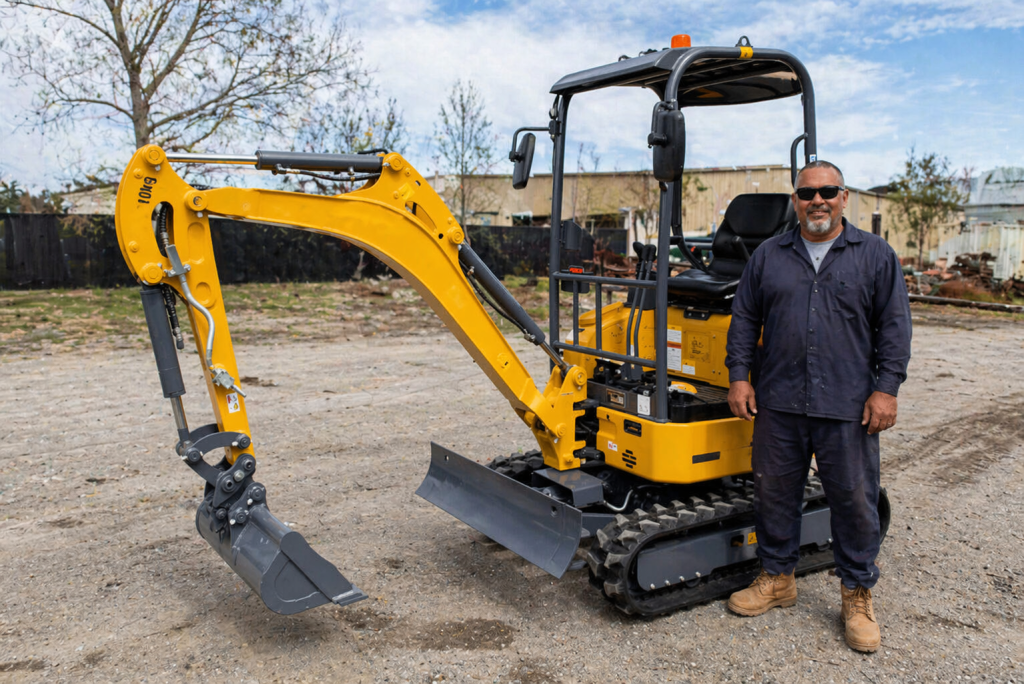
Excavation in construction is not random digging. It is a controlled process used to expose what is beneath the surface so it can be repaired, replaced, or built upon.
In residential settings, excavation is often tied to:
- Cracked or collapsed sewer lines
- Tree root intrusion inside pipes
- Severe blockages that restrict flow
- Old pipes that have shifted or deteriorated over time
These issues develop gradually. Pipes are buried, out of sight, and most problems build silently before they show visible symptoms. By the time you notice something, the damage has usually been there for a while. That is why excavation is often suggested. It gives direct access to the problem area. But here is the part most people are not told clearly. Excavation is not always the first or best step.
Why Guessing Leads to Bigger Problems
Many excavation jobs begin without a complete understanding of what is actually happening inside the pipe.
A contractor may assume:
- The pipe is fully collapsed
- The blockage is severe enough to require digging
- Replacement is the only solution
But assumptions are not the same as a diagnosis.
Approving excavation without verification can lead to:
- Digging in the wrong location
- Replacing sections that are still functional
- Spending significantly more than necessary
- Extending project timelines
In some cases, the actual issue could have been resolved without excavation at all. This is why the process matters more than the tool. Before any ground is broken, the priority should be clarity.
The Step Most Excavation Projects Skip
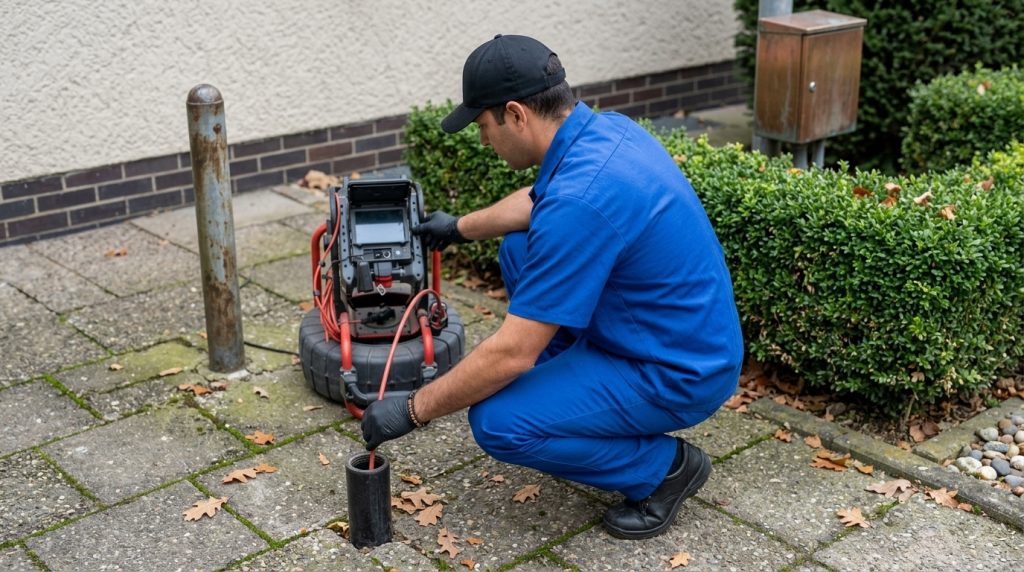
Before planning how to excavate a construction site, there is a step that should come first. Understanding the exact condition of what is underground. This is where sewer camera inspection changes everything. Instead of relying on surface symptoms or assumptions, a high-resolution camera is inserted into the pipe. It travels through the system and provides a real-time view of:
- Cracks and structural damage
- Root intrusion
- Blockages and buildup
- Misaligned or separated pipe sections
You are not guessing anymore. You are seeing the problem directly.
This allows for:
- Accurate location of the issue
- Clear understanding of severity
- Better decision-making about next steps
For many homeowners, this is the moment things finally make sense.
How Excavation Fits Into the Process
Once the problem is clearly identified, excavation becomes a targeted solution rather than a default approach.
Here is how the construction site excavation process typically works when done correctly:
1. Site Assessment
The area is evaluated based on camera findings and surface conditions.
2. Marking and Planning
Utilities and access points are identified to avoid unnecessary disruption.
3. Controlled Digging
Excavation is performed only where needed, not across large areas without purpose.
4. Access and Repair
The damaged section is exposed for repair or replacement.
5. Restoration
The site is restored after work is completed. That is the traditional approach. But today, some alternatives often reduce or eliminate the need for full excavation.
Modern Solutions That Reduce or Replace Excavation
Not every sewer issue requires digging up your property. In many cases, once the problem is identified through inspection, more efficient methods can be used.
Hydro Jetting (For Cleaning and Clearing)
High-pressure water is used to remove buildup, grease, and debris from inside the pipe.
Best for:
- Recurring clogs
- Sludge and residue buildup
It restores flow without opening the ground.
Pipe Lining (For Internal Repairs)
A new lining is installed inside the existing pipe, creating a durable inner layer.
Best for:
- Minor cracks
- Early-stage structural damage
This method avoids full replacement and keeps the surface intact.
Pipe Bursting (For Full Replacement Without Open Trenching)
A new pipe is pulled through while breaking apart the old one underground.
Best for:
- Severely damaged or collapsed pipes
This method replaces the pipe with minimal surface disruption.
Targeted Excavation (When Necessary)
In cases where damage is localized, only a small section is excavated instead of the entire line. This keeps the work focused and reduces impact.
Why This Approach Works Better
When excavation is guided by proper inspection and combined with modern methods, the outcome is very different.
Less Disruption
No unnecessary digging means:
- Lawns stay intact
- Driveways are preserved
- Structures are not disturbed
Accurate Repairs
The solution matches the actual problem, not an assumption.
Lower Overall Cost
Avoiding unnecessary excavation and over-repair reduces expenses.
Faster Resolution
Targeted work takes less time than large-scale digging projects.
Long-Term Confidence
You know exactly what was fixed and why.
Frequently Asked Questions
How do you excavate a construction site safely?
Safe excavation involves planning, utility marking, proper equipment use, and controlled digging. It should always start with understanding what is underground to avoid damage and unnecessary work.
Is excavation always required for sewer repairs?
No. Many issues can be resolved using trenchless methods like hydro jetting or pipe lining, depending on the condition of the pipe.
What is the biggest mistake homeowners make before excavation?
Approving excavation without a proper inspection. Without seeing the inside of the pipe, decisions are often based on assumptions.
How does camera inspection help in excavation projects?
It provides a clear view of the problem, allowing contractors to locate and fix the issue accurately instead of digging blindly.
What is the difference between traditional excavation and trenchless methods?
Traditional excavation involves digging to access pipes, while trenchless methods repair or replace pipes with minimal or no digging.
When is excavation the only option?
Excavation is necessary when pipes are severely collapsed or when trenchless methods are not suitable for the situation.
A Smarter Way to Approach Excavation
Understand Before You Dig
Excavation has its place. In some cases, it is the right and necessary solution. But it should never be the first step without clarity. If you are dealing with ongoing sewer or drainage issues, the most important thing you can do is understand what is actually happening underground before committing to a major project.
At Pro Trenchless Services, the process starts with answers, not assumptions. Through detailed inspection and modern repair methods, the goal is simple: fix the problem the right way, with as little disruption as possible. If something does not feel right with your current situation, it is worth taking a step back and getting a clear picture first. Because the best excavation decision is always an informed one.