You walk into your basement and notice something off. The floor feels damp, there is a slow puddle forming near the drain, or worse, water is backing up when you use fixtures upstairs. At first, it feels like a small issue. Maybe just a clog. Maybe something simple you can fix quickly. But then it happens again.
That is the frustrating part. You clear it once, and it comes back. Now you are not just dealing with a clogged drain. You are dealing with uncertainty. If you are trying to figure out how to unclog basement floor drain issues the right way, the goal is not just to clear it. The goal is to understand why it keeps happening.
What Causes a Basement Floor Drain to Clog
Before jumping into solutions, it helps to understand what is actually happening below the surface.
Basement floor drains connect to your home’s main sewer line. Over time, several things can restrict that flow:
- Dirt, sand, and debris are washing into the drain
- Grease or buildup from household waste
- Tree roots entering underground pipes
- Aging pipes that crack or shift
- Heavy rainfall overwhelming the system
In many homes, the clog is not directly at the drain opening. It is deeper in the line. That is why knowing how to unclog basement floor drain problems starts with recognizing that the issue is often hidden.
Why Quick Fixes Do Not Always Work
It is common to try basic methods first. A plunger, a drain snake, or a store-bought cleaner. Sometimes, these work temporarily. But if the clog is deeper or caused by a larger issue, they only treat the symptom.
Here is what often happens:
- The surface blockage clears
- Water drains normally for a short time
- The deeper problem remains
- The clog returns
This is why many homeowners end up searching again for how to unclog basement floor drain solutions after already trying once. The real issue was never fully resolved.
Start with a Simple Step-by-Step Approach
If the problem seems minor, you can try a few basic steps safely.
1. Remove Visible Debris
Take off the drain cover and clear out any dirt or buildup near the opening.
2. Flush with Hot Water
Pouring hot water can help break down minor residue and improve flow.
3. Use a Plunger
A tight seal over the drain can help push small clogs through.
4. Try a Drain Snake
A manual auger can reach deeper into the pipe and pull out debris. These steps can help with light clogs. But if water continues to back up, it is time to look deeper.
When the Problem Is Not at the Surface
If you have tried basic methods and the issue keeps returning, the clog is likely further down the line. This is where most DIY attempts fall short. Understanding how to unclog basement floor drain problems at this stage requires more than tools. It requires clarity. Without knowing what is inside the pipe, you are working blindly.
The Step That Changes Everything: Inspection
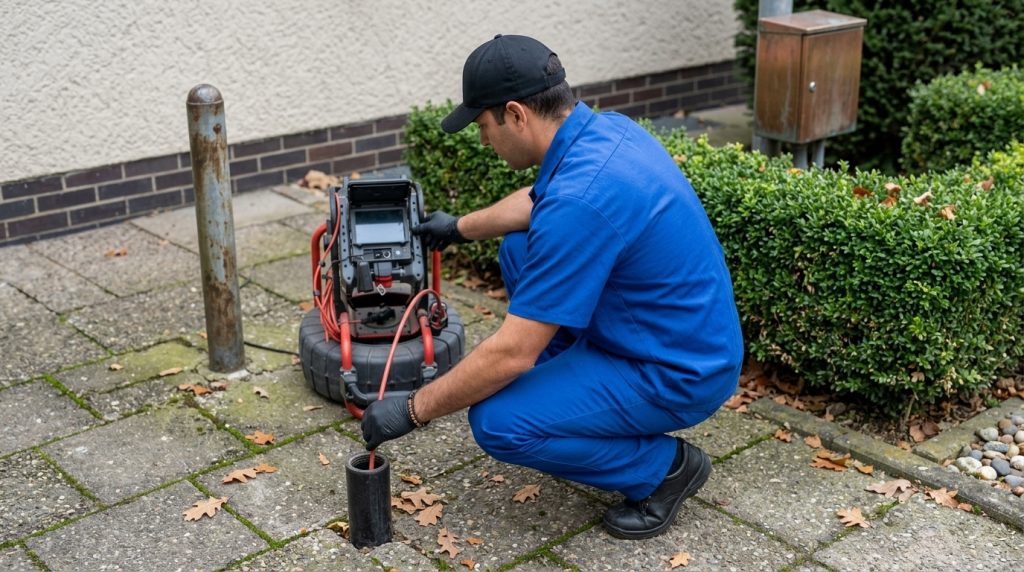
A professional camera inspection allows you to see exactly what is happening inside your pipes.
Instead of guessing, you get a real view of:
- Blockages and buildup
- Root intrusion
- Cracks or damage
- Pipe alignment issues
This step is often overlooked, but it is one of the most important parts of solving recurring drain issues. When you understand the cause, the solution becomes clear.
Professional Solutions That Actually Fix the Problem
Once the issue is identified, the right method can be chosen. This is where professional tools and techniques make a difference.
Hydro Jetting
High-pressure water clears out buildup, grease, and debris from the pipe walls.
Best for:
- Recurring clogs
- Heavy buildup
This is one of the most effective ways to restore full flow.
Targeted Repairs
If a section of pipe is damaged, it can be repaired without replacing the entire system.
Trenchless Solutions
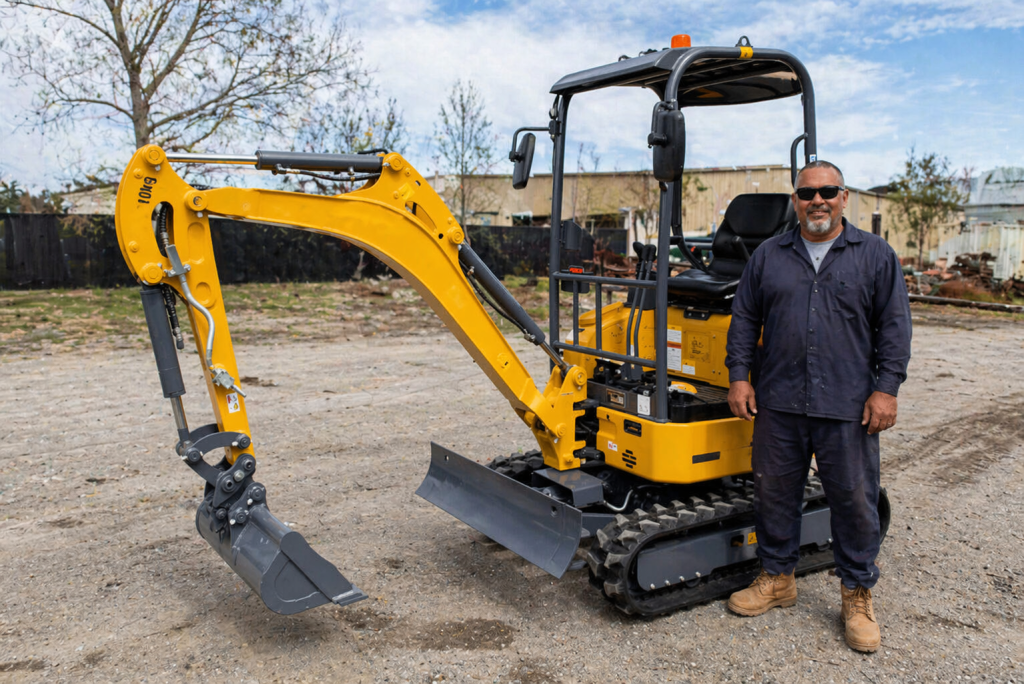
Modern methods allow pipes to be repaired or replaced without digging up your basement or yard. These solutions address the root cause, not just the symptom.
Why Solving It Properly Saves You Time and Money
When you take the time to understand how to unclog basement floor drain issues correctly, the benefits go beyond just fixing the clog:
- Fewer Recurring Problems: Fixing the root cause prevents repeated backups.
- Lower Long-Term Costs: Avoid spending on repeated temporary fixes.
- Less Disruption: Modern solutions reduce the need for digging or major work.
- Peace of Mind: You know the problem has been handled correctly.
Frequently Asked Questions
How often should a basement floor drain be cleaned?
It depends on usage, but regular maintenance once or twice a year can help prevent buildup.
Can I use chemical cleaners to unclog my basement drain?
Chemical cleaners may provide temporary relief but can damage pipes over time and do not address deeper issues.
Why does my basement drain keep clogging?
Recurring clogs are usually caused by deeper blockages, pipe damage, or root intrusion.
When should I call a professional?
If the clog keeps returning, water backs up frequently, or basic methods do not work, it is time to get a proper inspection.
Is it expensive to fix a basement drain problem?
Costs vary depending on the issue, but identifying the problem early often prevents more expensive repairs later.
What is the safest way to unclog a basement drain?
Start with basic cleaning methods, but avoid aggressive chemicals or tools that can damage pipes.
The Right Way to Handle Basement Drain Problems
Learning how to unclog basement floor drain issues is not just about clearing water. It is about understanding what is happening beneath your home. A quick fix might solve it for now. But a proper approach solves it for good. If your basement drain keeps giving you trouble, it is worth taking a step back and getting a clear picture of the situation before trying another temporary solution.
At Pro Trenchless Services, the focus is on finding the real cause and fixing it the right way using modern, efficient methods.